Contributors
.png)
Jane Bogust
Founder at Double Undies

Rebekah Davidson
Founder & Physiotherapist at Epic Physio
Subscribe to our newsletter
Thank you! Your submission has been received!
Oops! Something went wrong while submitting the form.

.png)
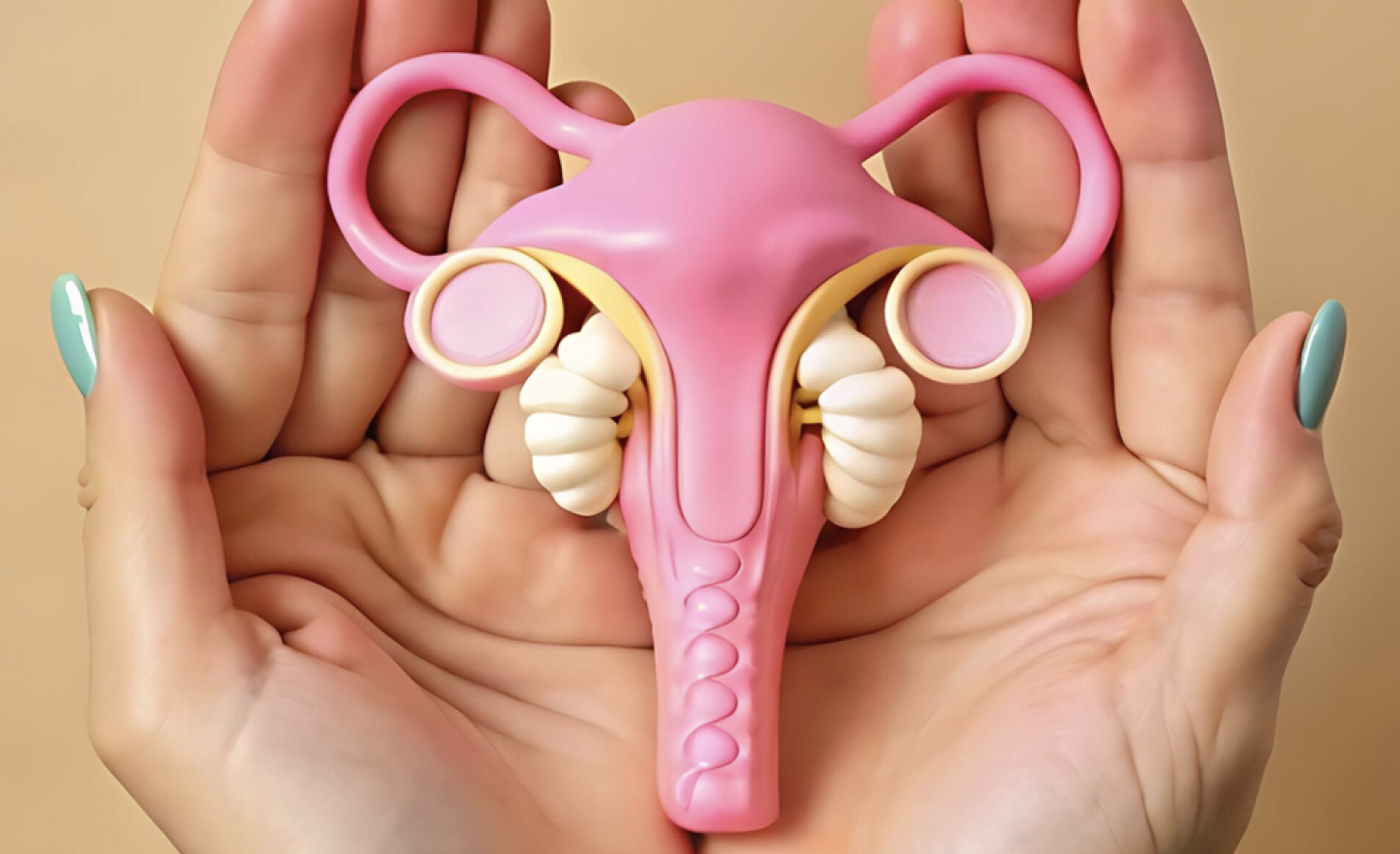
You've noticed it.
The week before your period, you're suddenly running to the bathroom more. Or you leak during a workout that never usually gives you trouble. You might feel heavier or more pressure down yonder. You put it down to a bad day, a big coffee, an off session. But it's not random. Your bladder can be affected by hormones too and your cycle can be changing how well your pelvic floor copes with exercise.
Two hormones are doing most of the work here: oestrogen and progesterone. Across your cycle, both rise and fall and your bladder and pelvic floor are sensitive to both.
After ovulation, progesterone rises. One of its jobs is relaxing smooth muscle to help prepare your body for a possible pregnancy. That relaxing effect isn't limited to the uterus, it can also make your bladder muscle (the detrusor) more active, so it signals the urge to go more often, and can contract with less warning.
In the days before your period, oestrogen drops. Oestrogen helps keep the tissues of your bladder, urethra and pelvic floor supported and responsive. When it dips, that support dips too, which can mean less strength and stability right when you need it during a heavy lift, a run or a class.
During your period itself, there's added load and inflammation. Your uterus is heavier than usual, and your body releases inflammatory chemicals (prostaglandins) as part of shedding the lining. Both add extra pressure onto a pelvic floor that's already working hard to support everything above it. If your pelvic floor isn't coping well to begin with, this is often when it shows.
As for period products such as tampons, they can add a complexity to managing symptoms.
None of this means your pelvic floor is broken, or that leaking around your period is just something to accept. It means your pelvic floor is working with a different set of conditions at different points in the month — a bit like training on a day when you're more fatigued or less fuelled. The same effort can feel harder, and the same movement can ask more of you.
That's useful to know, because it takes the guilt out of it. If you've noticed you're more likely to leak in the days leading into your period, that's not you doing something wrong. It's hormones and load, not a lack of effort or fitness.
1. Track the pattern. Note where you are in your cycle next time you leak during training. Most women are surprised how consistent the timing is and it makes it much easier to plan around, rather than feel blindsided by.
2. Be mindful of increasing inflammation around this time, less sugar and caffeine around this time is worth considering.
3. Get assessed rather than guess. If leaking is consistently worse around your cycle, a pelvic floor physio can tell you whether it's an overactive pelvic floor, an under conditioned one, or something else and build a plan around it, rather than troubleshooting alone.
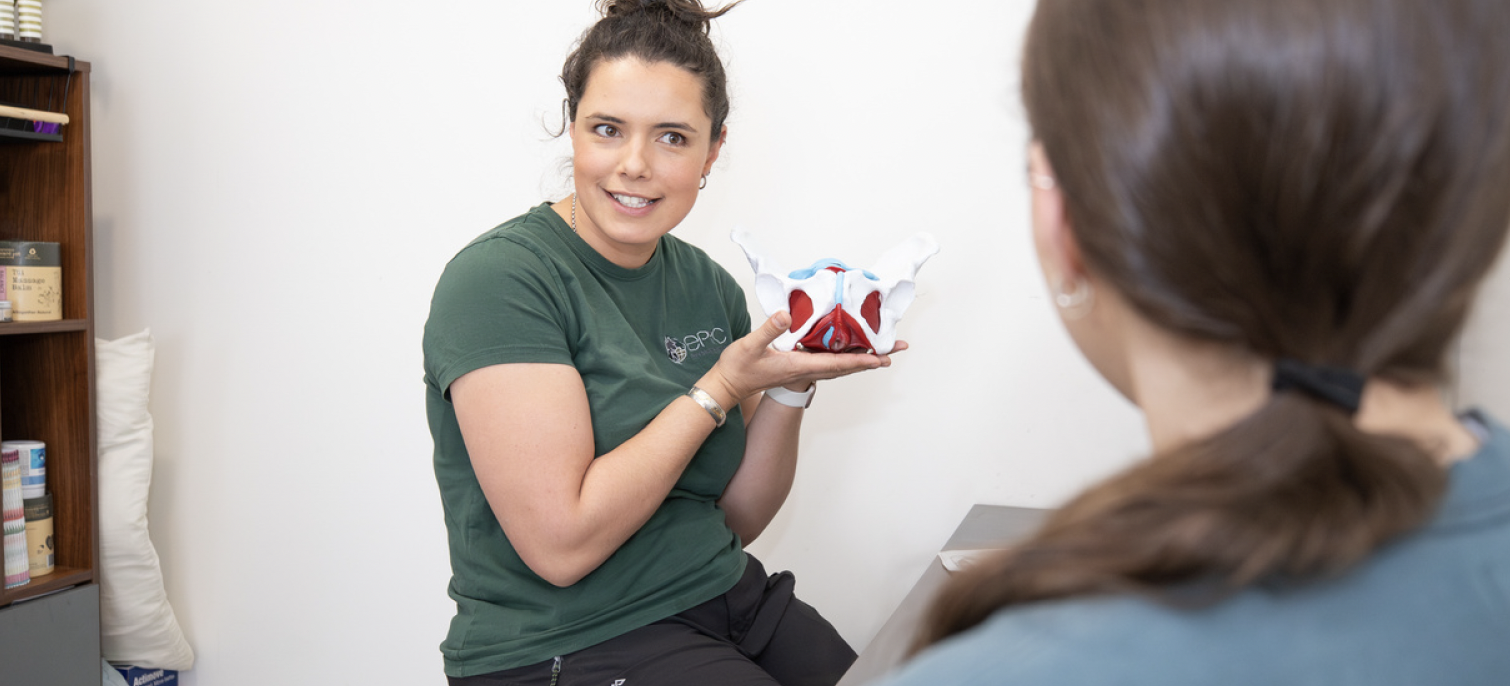
This is one small piece of a much bigger picture. Hormones, load, silence and shame all show up in the same story — the one about why so many women quietly stop showing up to the exercise they love. We go into all of it, along with what actually helps, in the full piece: The Leak No One Talks About in Sunday’s Edition - Fitness & Nutrition.
Double Undies is designed for exactly this — so you can keep showing up, however your body is that day. Shop the range at www.doubleundies.co.nz
Dakic JG et al. (2022). Pelvic Floor Symptoms Are an Overlooked Barrier to Exercise Participation — APTA
Dakic JG et al. (2023). Experience of Playing Sport or Exercising for Women with Pelvic Floor Symptoms — Springer
Ferreira S et al. (2024). Urinary Incontinence in Female Athletes: A Systematic Review on Prevalence and Physical Therapy Approaches — PMC
Pires T et al. (2020). Prevalence of Urinary Incontinence in High-Impact Sport Athletes: A Systematic Review and Meta-analysis — PMC
Robinson, D., Toozs-Hobson, P., & Cardozo, L. (2013). The effect of hormones on the lower urinary tract. Menopause international, 19(4), 155-162.
Hextall, A., Bidmead, J., Cardozo, L., & Hooper, R. (2001). The impact of the menstrual cycle on urinary symptoms and the results of urodynamic investigation. BJOG: An International Journal of Obstetrics & Gynaecology, 108(11), 1193-1196.
Schevchenco, B., Brandão, S., Gomes Timbó, P., Tonon da Luz, S. C., da Silva Honório, G. J., & Da Roza, T. (2023). The influence of the menstrual cup on female pelvic floor muscles variables: a prospective case series. Women & Health, 63(1), 35-43.

