Contributors
.png)
Jane Bogust
Founder at Double Undies
Subscribe to our newsletter
Thank you! Your submission has been received!
Oops! Something went wrong while submitting the form.

.png)
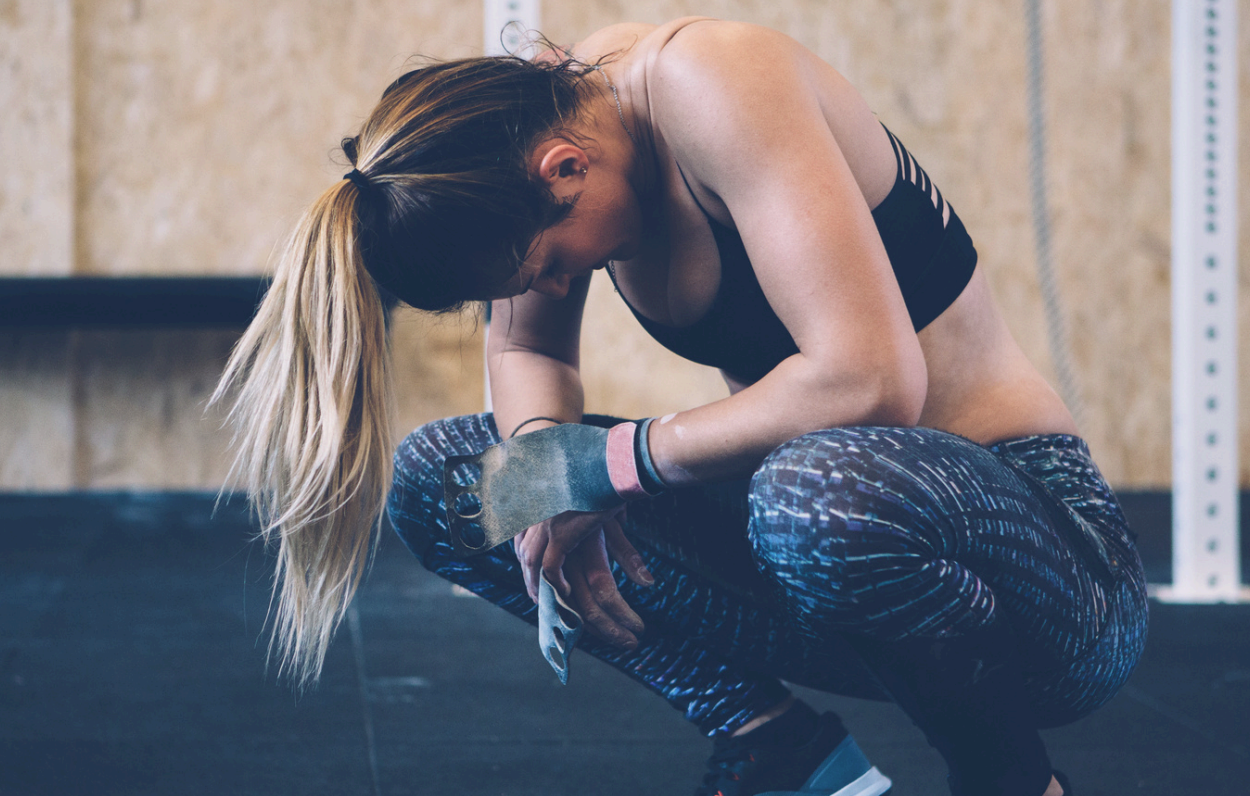
I remember the exact moment. I was in the middle of a CrossFit workout, doing double unders (skipping), when it happened. I wasn't embarrassed in a vague, shrug-it-off way, I was horrified, genuinely horrified. I felt ashamed and feared that someone had seen. My attention turned away from my workout and thoughts started racing “But, my kids aren’t babies. Why have I leaked? This is so embarrassing, no adult should pee themselves (unless you’re laughing so hard, which, I now know still isn’t right, but at least that’s a fun story and one you’re not ashamed to tell). Has it shown through my tights? Will people know I have peed myself?”. That feeling followed me home. It sat with me for days, weeks, even now, many years on, I remember how it made me feel.
I thought I was the only one. I didn't say anything at first. It was only when I started talking to my friends that I realised it wasn't just me, that this was actually really common. That's when I started looking for something to protect me at the gym. That search is what became Double Undies.
That's the part of this story that doesn't get told enough. A leak isn't just a physical event. It's an instant hit to your confidence, and a instant fear that it'll happen again next time you show up. It becomes an impact on your mental health in ways you wouldn’t expect.
Researcher Jodie Dakic and colleagues at Monash University and the University of Melbourne have spent years studying exactly this — what it's actually like for women exercising with pelvic floor symptoms. Their work gives language to something most women experience alone.
In interviews with 23 women, three feelings came up again and again: fear that someone would notice, embarrassment, and shame — often well before any pattern of avoidance ever set in. One woman described leaking as something she'd never told anyone about, a secret she carried alone because she was young and hadn't had kids and still leaked. Another spoke about how much she loved her sport, and how leaking during it made her not want to be around anyone afterward.
The impact starts much earlier than many people realise. The same research found women became hyper-alert to their own bodies mid-session—pulling back on a rep and pacing their effort more cautiously than they otherwise would, which is a lot to carry while you're also meant to be enjoying your workout.
And the numbers back up how common this is. Across a survey of 4,556 Australian women, nearly half who experienced pelvic floor symptoms during exercise had stopped a form of exercise altogether because of them. One in three described their symptoms as a substantial barrier — something that stopped them exercising often, or all of the time.
Here's the part that really gets me: two-thirds of women in that same research had told someone about their symptoms, but almost always their doctor, or a friend. Hardly anyone had told someone at their gym, their coach, or their training partner. The place where the leak actually happens is the last place women feel safe talking about it.
That's exactly what happened to me. I thought I was the only one, until I actually said something to a friend I trained with and found out almost everyone had a version of the same story. I see this play out constantly with other women too. When they talk to me directly, they're open, I think because they know it's safe. They don't lead with an apology or a disclaimer, but it's often only when they open up to somebody else, or hear another woman mention it, that they realise how common this actually is. Until then, most of them think it's just them.
That's exactly what the research found too — embarrassment was the single biggest reason women stayed silent, followed by simply believing this was a normal thing they had to live with.
These aren't small feelings. They're the reason one in two women who experience pelvic floor symptoms during exercise stop doing a form of exercise altogether, according to Jodie Dakic's research. That number should stop you. Because exercise was never just about fitness. It's where friendships get built, it's your community, your stress relief, your sense of feeling like yourself.
When a woman stops showing up because she's scared of leaking, she's not just losing a workout. She's losing the people, the routine, and the version of herself that exercise gave her. That's the real cost of staying silent about this, not the leak itself — what it quietly takes from you when fear wins.
None of this is about pretending leaks don't happen, or plastering on confidence that isn't real. It's about closing the gap between how common this is and how alone it feels.
I still leak sometimes, particularly around my period. It's rare now, but it can still happen unexpectedly. Perhaps perimenopause is contributing to it, I'm still figuring that part out. After building a whole business around it, the difference now isn't that it never happens, it's that it doesn't own me the way it used to.
That's what I want for every woman reading this. I want you to know that you're far from alone. Research tells us that in some high-impact sports, up to 80% of women experience pelvic floor symptoms, and the more women I meet, the harder it is to find someone who hasn't worried about leaking at some point. Yet so many of us still carry it as though it's our own private secret. I don't want that for you. I want you to know there's nothing to be ashamed of. I don't want you hiding at the back of the class, avoiding the movements you love or quietly giving up the things that make you feel strong. I want you to keep showing up—for yourself, for your health and for everything that exercise gives you.
If this article does one thing, I hope it gives you the confidence to start a conversation. Speak to a pelvic health physiotherapist, talk to someone you trust and remember that asking for help isn't admitting defeat—it's taking the first step towards getting back to the life you want to live. We already juggle enough as women. We don't need to carry this on our own as well. My hope is that one day bladder leaks are no more embarrassing to talk about than a sore knee or a rolled ankle. Until then, let's keep the conversation going, support one another and make sure no woman feels she has to give up the movement she loves because of something she was too embarrassed to talk about.
Double Undies is designed for exactly this — so you can keep showing up, however your body is that day. Shop the range at www.doubleundies.co.nz
Double Undies teamed up with Rebekah at Epic Physio to create a 7-Day Continence Course. The course is designed to help you better understand your bladder, learn practical strategies to improve symptoms, and feel more confident in your day-to-day life. Small changes can make a big difference. Join us for seven days of expert guidance, support, and simple steps towards better bladder health. Ready to get started? We'd love to have you along! FREE 7-Day Continence Course
Dakic JG, Cook J, Hay-Smith J, Lin K-Y, Frawley H (2021). Pelvic Floor Disorders Stop Women Exercising: A Survey of 4556 Symptomatic Women — Journal of Science and Medicine in Sport
Dakic JG, Cook J, Hay-Smith J, Lin K-Y, Ekegren C, Frawley HC (2022). Pelvic Floor Symptoms Are an Overlooked Barrier to Exercise Participation — Physical Therapy (PTJ)
Dakic JG, Hay-Smith J, Lin K-Y, Cook J, Frawley HC (2023). Experience of Playing Sport or Exercising for Women with Pelvic Floor Symptoms: A Qualitative Study — Sports Medicine – Open
Dakic JG, Hay-Smith EJC, Lin K-Y, Cook JL, Frawley HC (2023). Women's Preferences for Pelvic Floor Screening in Sport and Exercise — British Journal of Sports Medicine
Dakic JG, Hay-Smith EJC, Lin K-Y, Cook JL, Frawley HC (2025). Infographic: Having Pelvic Health Conversations Within Sports Settings — British Journal of Sports Medicine
