Contributors

Lily Henderson
Dietitian, My Food Bag
Subscribe to our newsletter
Thank you! Your submission has been received!
Oops! Something went wrong while submitting the form.

.png)
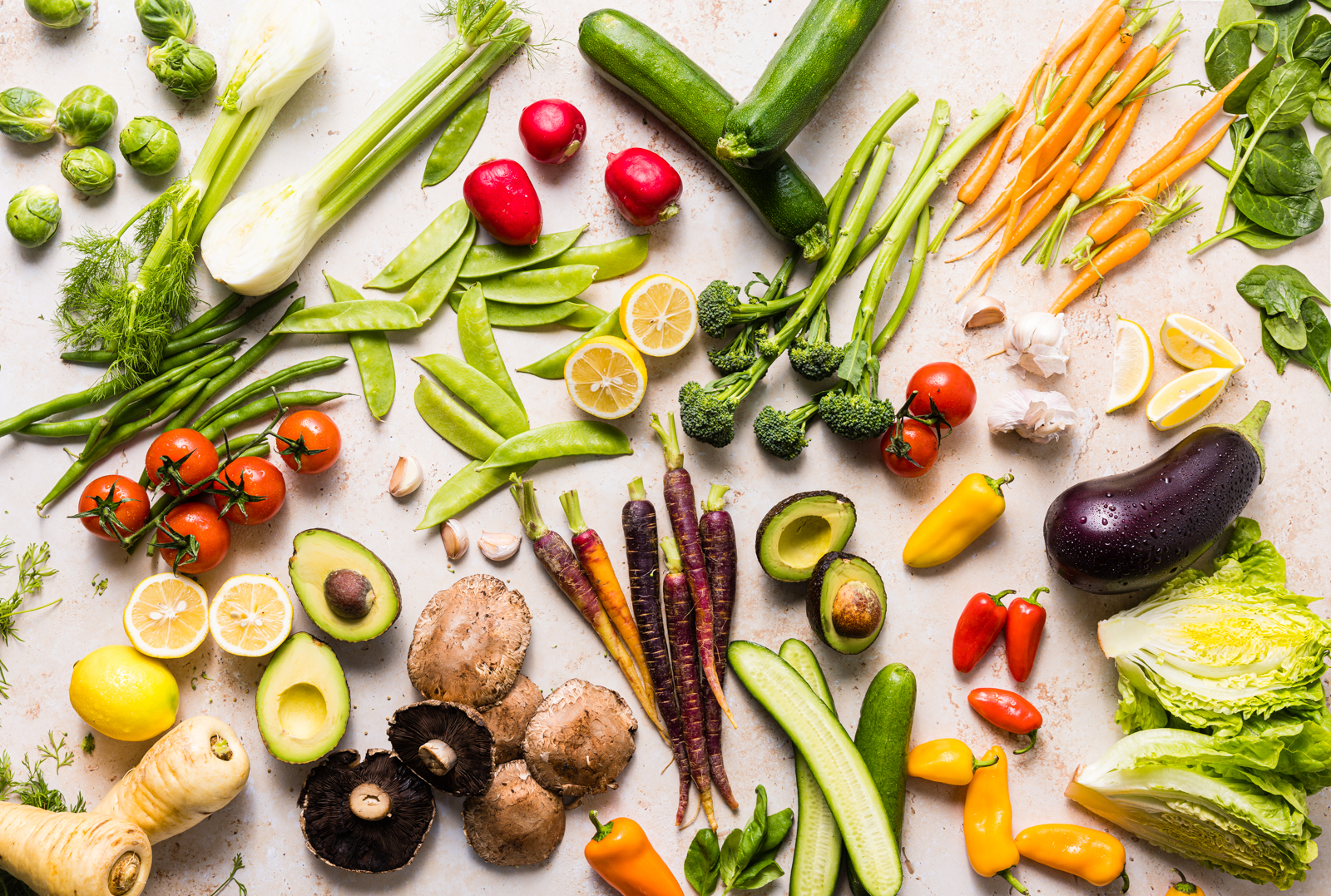
Fibre is finally having its moment, and for good reason. From supporting heart health and helping manage blood sugar levels to nourishing the gut microbiome, fibre plays a much bigger role in women's health than many people realise. Plant-forward eating and “fibre-maxxing” are trending online, but what exactly is fibre, why does it matter, and how do you know if you're getting enough?
What is fibre?
Fibre is a type of carbohydrate found naturally in plant foods. Unlike other carbohydrates, fibre isn't fully digested or absorbed by the body. Instead, it travels to the large intestine, where it supports digestive health and a range of other important functions (1).
Not all fibre is the same. Different types of fibre have different benefits, and most plant foods contain a combination of them.
Some common types of fibre include (1):
5 reasons why fibre matters for women’s health
1. Supports blood sugar control
Fibre slows the digestion and absorption of carbohydrates, helping to moderate rises in blood glucose after meals (2,3). This can be beneficial throughout life, including during pregnancy, perimenopause and menopause when metabolic changes can occur.
2. Supports heart health
Heart disease remains one of the leading causes of death among New Zealand women. Certain fibres, particularly those found in oats, barley and legumes, can help lower LDL ("bad") cholesterol by reducing its absorption in the gut (2, 4, 5). As heart disease risk increases after menopause, a diet rich in fibre-containing foods is important.
3. Supports appetite regulation
Fibre-rich foods take longer to digest and can help increase feelings of fullness after eating. This can help to support appetite regulation and weight management over time (2). Most high-fibre whole foods also provide important vitamins, minerals, antioxidants and plant compounds that support overall health too.
4. Supports gut health and regularity
Fibre helps keep the digestive system moving by adding bulk to stools and supporting regular bowel movements. Some fibres also act as food for beneficial gut bacteria, helping to support a healthy and diverse gut microbiome (2). This is important during the menstrual cycle, pregnancy, and menopause when changes in hormones can affect digestive health.
5. Supports healthy ageing
Higher fibre intakes have consistently been associated with a lower risk of heart disease, type 2 diabetes and colorectal cancer (3, 5). Building a fibre-rich eating pattern early and maintaining it throughout life can help to support healthier ageing and wellbeing across the lifespan.
Are women getting enough fibre?
The recommendation for women aged 19+ is to aim for at least 25 g of fibre per day (6). However, the most recent national data we have (New Zealand Adult Nutrition Survey) found women were consuming a median of 17.5 g per day (7). While we don’t have more recent data, it highlights that many women would benefit from increasing their intake of fibre-rich foods.
Keep track
Food tracking apps can help estimate your daily fibre intake and highlight opportunities to add more fibre-rich foods throughout the day.
If your intake is low, it is important to increase your fibre intake gradually and drink plenty of water, as a sudden increase can cause symptoms like bloating, wind and stomach cramps (1, 6). Always speak with a health professional if you have ongoing digestive symptoms and before taking any kind of fibre supplement.
How can you increase your fibre intake?
You don't need to completely change the way you eat. Small changes to everyday meals can make a big difference.
Fibre is found naturally in a wide range of plant foods, including:
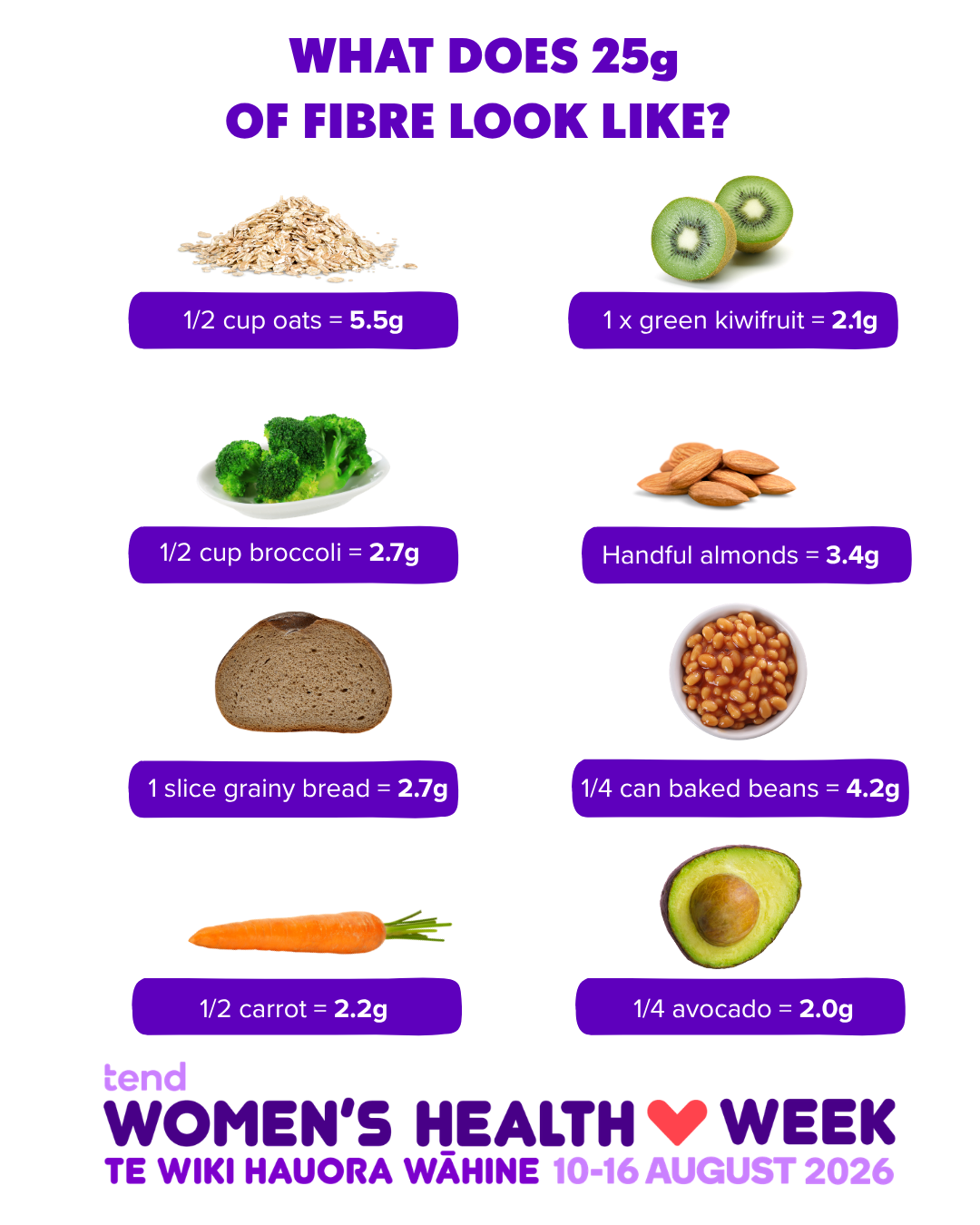
Although whole foods are the best source of fibre, choosing higher-fibre versions of foods you buy regularly, like bread, breakfast cereals and crackers, can make a meaningful difference to your overall fibre intake. Some packaged foods may also contain added prebiotic fibres, like chicory root (inulin), resistant starch or psyllium to boost their fibre content. Fibre labelling is voluntary, so you won't see it on every product, but when it is listed, compare products using the per 100 g column (over 5g is a great target).
Easy ways to boost your fibre intake
Aiming for a variety of fibre-rich plant foods each day is a great way to support overall fibre intake and feed a diverse gut microbiome.
Breakfast: Add chopped fruit, nuts or seeds to porridge, yoghurt or smoothies. Choose wholegrain or seeded toast or a higher-fibre cereal.
Snacks: Reach for fruit, vegetable sticks with hummus, nut & seed bars, nuts, roasted chickpeas or grainy and seeded crackers.
Lunch and dinner: Add an extra vegetable or two (leave skins on) and include beans, lentils or chickpeas in meals wherever you can. Swap the carbs on your plate from white pasta or rice to wholegrain breads, brown rice, oats, barley, wholegrain pasta or quinoa.
References